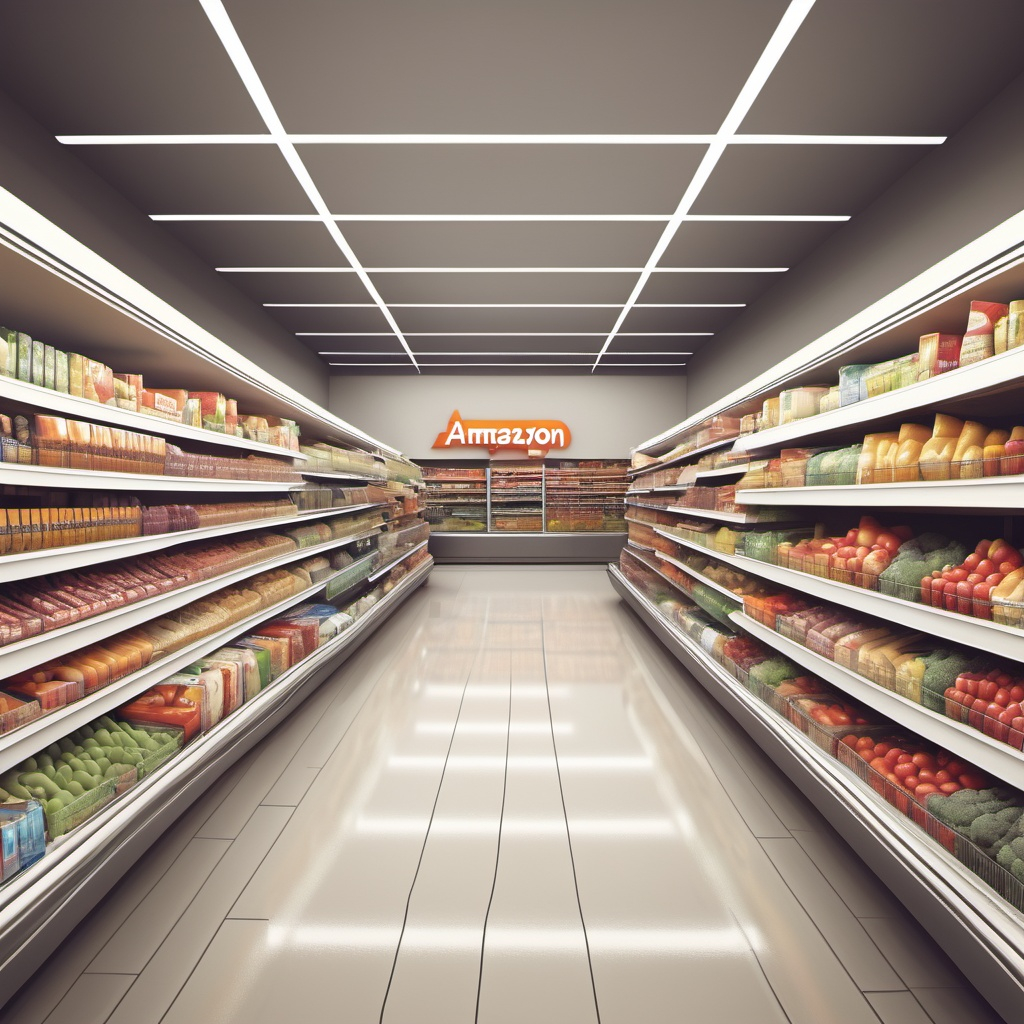
Remember when Amazon unveiled its “Just Walk Out” stores, and we all thought the future had arrived? No cashiers, no lines, just you, some sensors, and an AI silently judging your snack choices. It felt like stepping into a sci-fi movie—until reality showed up with a smirk and an invoice.
The Hype: Grocery Store Meets Hogwarts
Amazon Go was supposed to revolutionize shopping. Grab your stuff, walk out, and the magic cameras would automatically charge you. No carts clogging the aisles, no awkward small talk with cashiers, and no embarrassing moments fumbling for your loyalty card. Bezos was basically promising us the retail equivalent of a self-cleaning kitchen.
The Reality: It’s Complicated
Turns out, making magic happen is expensive. Each store is a tech marvel, with cameras watching your every move like you’re auditioning for a heist movie. Sensors track what you grab and put back, ensuring that every fleeting moment of indecision about Pop-Tarts is meticulously logged. But all that wizardry costs a fortune, and not everyone was ready to shell out for a bag of chips with a side of surveillance.
Why It Stumbled
- Setup Costs: Turns out, equipping a store with a thousand cameras and sensors isn’t as cheap as duct-taping an iPhone to the ceiling. Who knew?
- Scaling Headaches: While the system works fine in smaller stores, scaling up to larger grocery setups turned out to be trickier than explaining blockchain to your grandma.
- Customers Being Humans: Some people didn’t like feeling like contestants on a live episode of Big Brother: Snack Edition. Others just… missed cashiers (because apparently, some folks enjoy telling strangers about their couponing adventures).
- Pandemic Curveball: Covid reshaped shopping habits, and Amazon realized people might not mind standing in line if it meant their bananas weren’t pre-touched by a hundred other germy hands.
The Present: Still Walking, Just Slowly
Amazon has slowed down the rollout, like someone realizing they maybe shouldn’t have committed to running a marathon after eating a burrito. But the tech isn’t dead—it’s just finding its niche. Airports, stadiums, and other places where people really don’t want to wait in line are now the testing grounds for Amazon’s checkout-free dreams.
Meanwhile, competitors are dabbling in similar tech, and traditional grocery stores remain stubbornly full of lines, carts with wobbly wheels, and the guy in front of you counting pennies.
The Verdict: A Glitchy Future
Amazon Go wasn’t quite the revolution we were promised. More like a very expensive party trick that only sort of worked when the lighting was just right. But who knows? Maybe in a decade, we’ll all laugh about the time we thought self-checkout was advanced.
Until then, enjoy your lines, humanity—at least they’re free.
Meanwhile, competitors are dabbling in similar tech, and traditional grocery stores remain stubbornly full of lines, carts with wobbly wheels, and the guy in front of you counting pennies.
What about AI? Will it deliver, or will it be a hugely expensive scarcely useful hype?
Amazon Go wasn’t quite the revolution we were promised.
We must know there a possibility that Generative AI will be like a very expensive party: it can finish with everybody going home.
Let’s
Until then, enjoy your lines, humanity—at least they’re free.

 BUY, SELL, KEEP
Leave a comment